
Rewild Biological Amendments
Rewild Biological Inoculants - teas, extracts and compost


Compost Tea Brew Kits


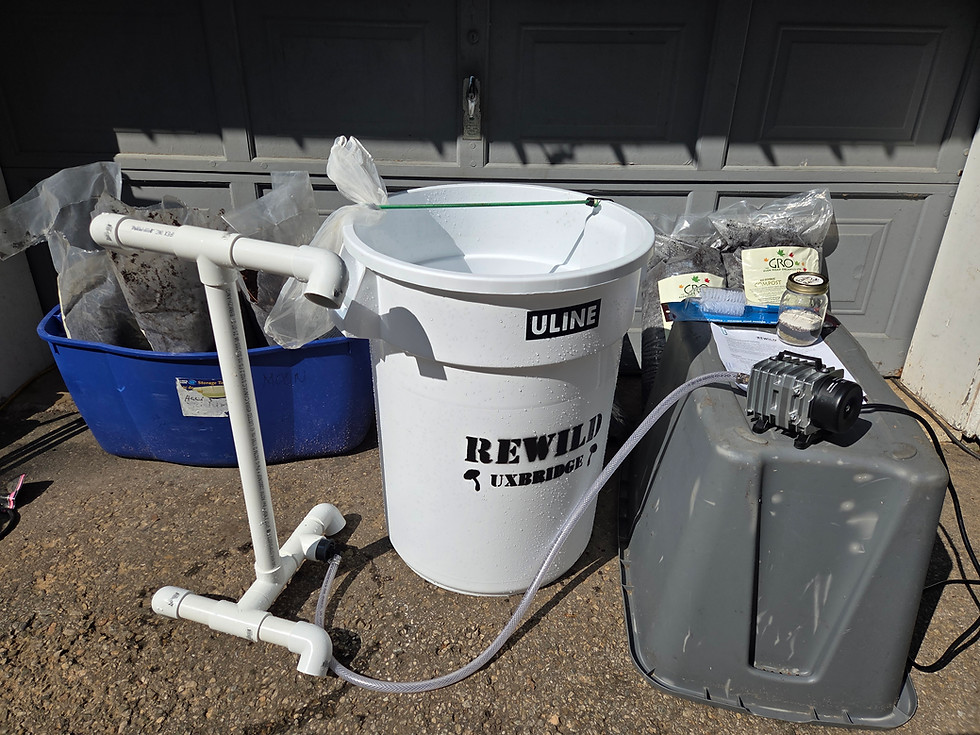
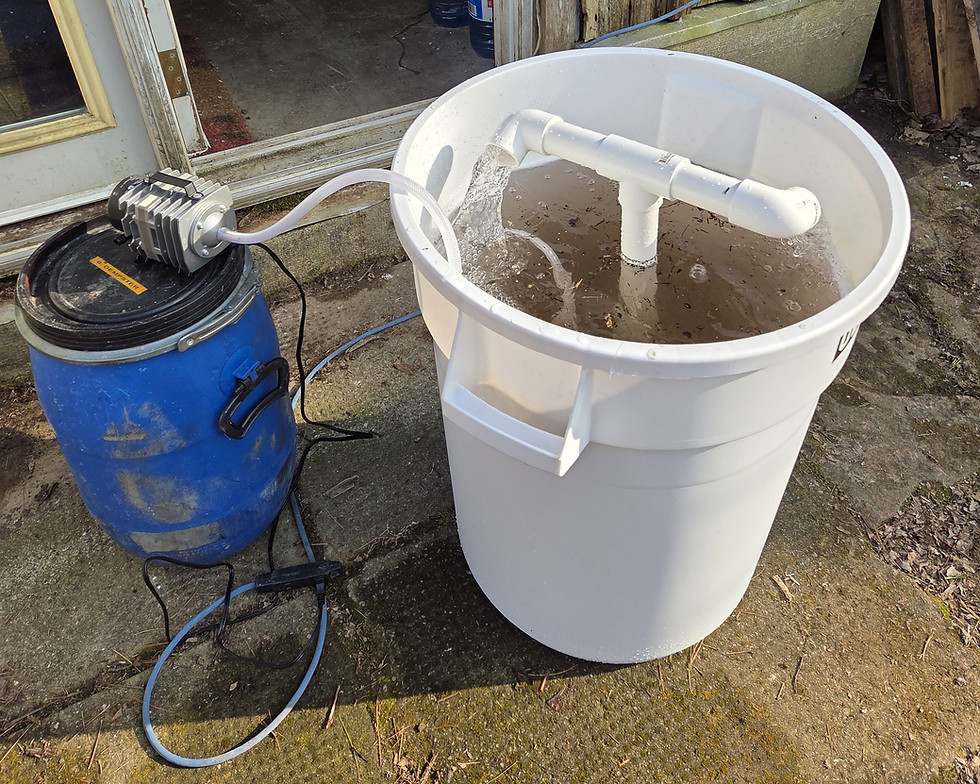


Equipment Rentals
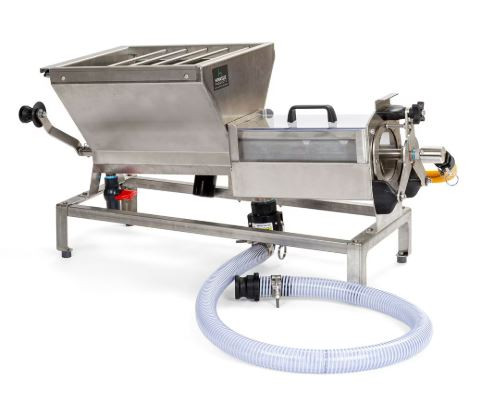

Rentals
About our composts, teas and extracts
It starts with a good compost - your source of microbes.
We make microscope-verified and DNA-tested biologically complete compost. This means the compost contains a high abundance of active and beneficial bacteria, fungi, protists and nematodes. At our forested homestead, we hand-make craft composts, and custom-blend the composts to cater our recipes towards the successional stage of your plants.
Our teas and extracts are concentrated, to be mixed with water and applied as a soil drench at 10gal/acre. They can be used as a liquid seed coating at 5g/kg and as a foliar application undiluted

A Complete Soil Food Web
All of our compost, teas, and extracts are regularly tested using SFW microscopy.
Figure 1 shows the abundance of the major beneficial and potentially detrimental (red) microorganisms in our three types of home-made composts, our Rewild Inoculum blend, and our compost extracts. Fungal biomass above 350ug/g is very high, and F:B above 0.5 will improve fungal biomass in all Ontario soils. Our protozoan numbers (flagellates and amoebae) are consistently very good, and all metrics meet and exceed Dr. Elaine Ingham's Minimum Requirements for Biologically Complete Compost.
Figure 1. Summary table of microbial biomasses and ratios for Rewild's biological amendments (data from 2026).

DNA testing
Our 3 compost tea and 3 compost extract recipes have been 3rd party DNA tested and have high biodiversity and richness, containing:
• ~1,000 bacterial species including N-fixing rhizobacteria
• ~400 fungal species
• dozens of protist and nematode species
Figure 2 shows known beneficial microbe groups highlighted with lines. The orange line represents the Rhizobales, the Purple is Actinobacteria, the Blue is Bacilli, and the green includes Psedumonas, Burkholdaria and Flavobacterium. These beneficials represent over half of the microbial population.
You can read more about our DNA sequencing analysis on our blog post here.

Figure 2. Krona plot showing bacterial groups (from Kingdom and Phyla on the inside, to Genus on the outside), using DNA sequencing of our compost extracts.


Mycorrhizae
Mycorrhizae are root-associated fungi. Since there are no roots growing in our composts - we are not able to actively grow mycorrhizal fungi. In addition, mycorrhizal fungi do not grow in compost teas/extracts.
The fungus colonizes root tissues, extending hyphae into the soil to dramatically increase water and nutrient absorption (especially phosphorus) for the plant, while receiving carbohydrates (sugars) in return.
Mycorrhizae are found in over 80-90% of plant species. These include all trees, most shrubs, native plants including grasses, and orchids. Some non-mycorrhizal plants include brassicas (cabbages), spinach, beets and blueberries.
We strongly recommend pairing liquid biological amendments with a mycorrhizal inoculant for optimal microbial establishment.
Our go-to brand is Root Rescue, because the blend contains the most diverse set of endo-and-ectomycorrhizae on the market, it is locally made, and Bob can answer all of your questions!